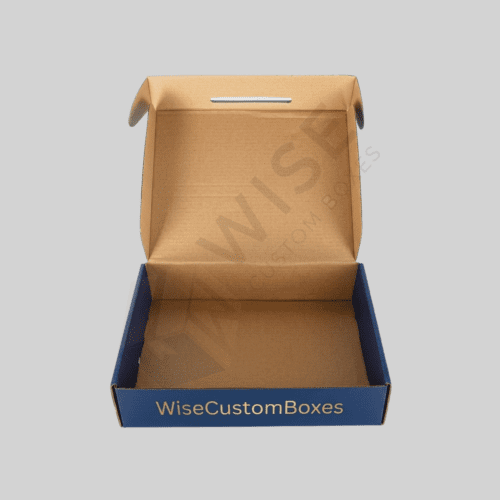

Mailer boxes are rigid, self-locking boxes used to ship and present products. They protect contents during transit and open into a clean branded interior, which is why subscription services and e-commerce brands rely on them. This guide covers choosing custom mailer boxes.
The sections below explain standard dimensions, mailer styles, measurement, and how to pick a size.
What Are Standard Mailer Box Dimensions?
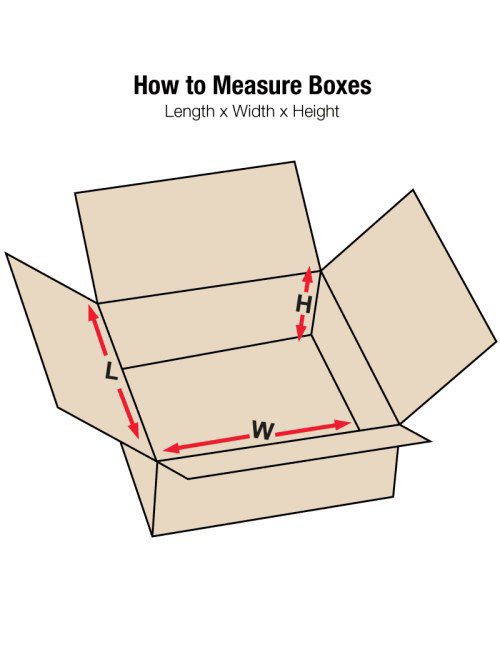
Standard mailer box dimensions are given as Length x Width x Height in inches. The length is the longest side of the box base, the width is the shorter side, and the height (or depth) is how tall the box stands. These numbers define both the footprint and the interior volume.
The sizes below are illustrative standard examples, not fixed industry standards.
| Box Size | Length | Width | Height |
|---|---|---|---|
| Small | 6 inches | 4 inches | 3 inches |
| Medium | 9 inches | 6 inches | 4 inches |
| Large | 14 inches | 10 inches | 6 inches |
Mailer Box Dimensions by Product Type
1. Small Poly Mailer Dimensions
Small poly mailers are flexible, water-resistant envelopes for soft goods that do not need rigid protection. They are the lightest mailer option, which keeps shipping costs down. Apparel sellers use them for single garments and accessories.
| Size | Length x Width (inches) | Typical Use |
|---|---|---|
| Small Poly Mailer | 6 x 9 | Single T-shirt, small accessories |
| Medium Poly Mailer | 10 x 13 | Hoodie, folded jeans |
| Large Poly Mailer | 14.5 x 19 | Jacket, bundled garments |
2. Corrugated Mailer Dimensions
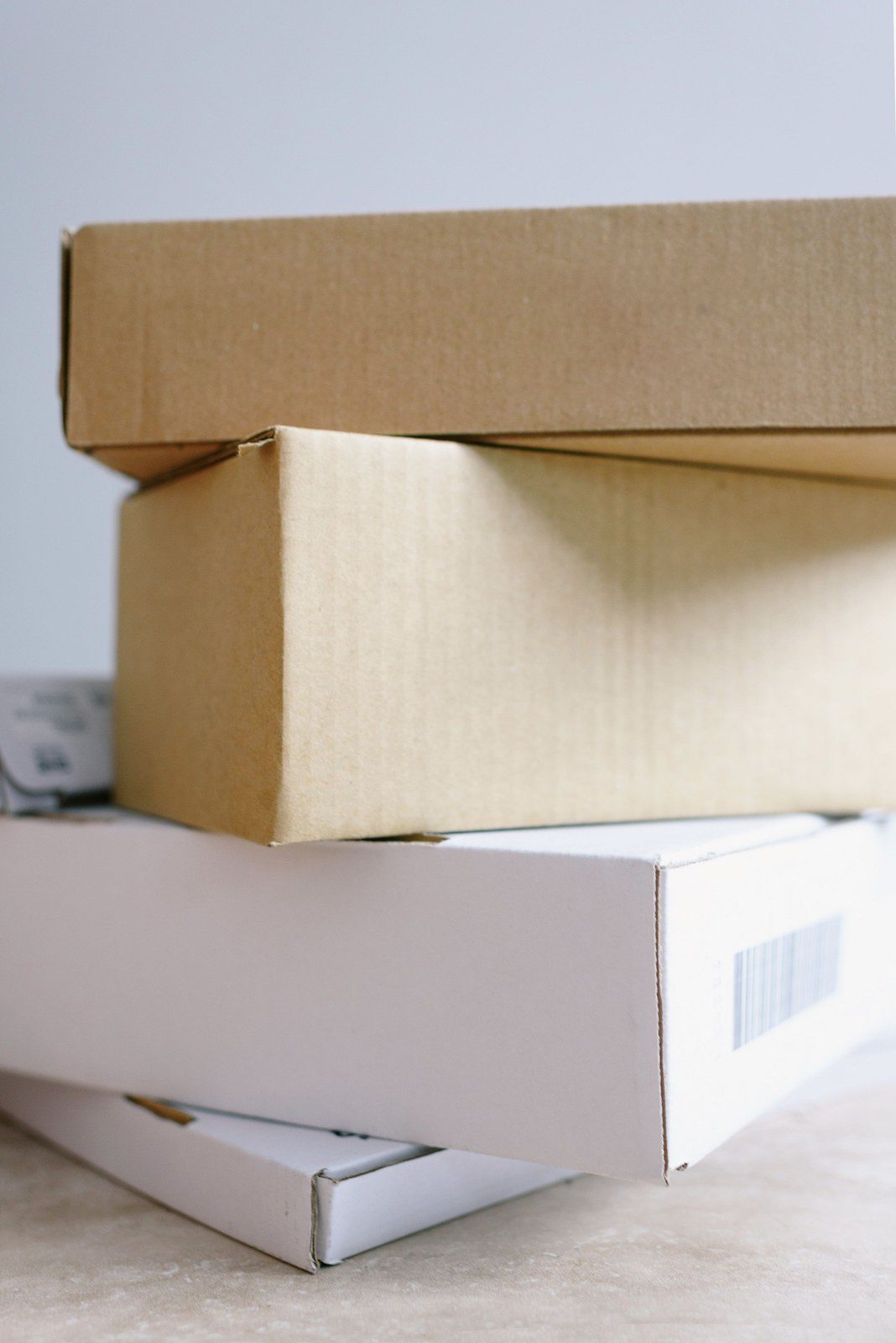
Corrugated mailers are the classic rigid shipping box with a self-locking tuck front. The fluted corrugated board cushions products against impacts and stacking pressure. They suit fragile and mid-weight items that need real protection.
| Box Size | Length | Width | Height |
|---|---|---|---|
| Small Corrugated Mailer | 8 inches | 6 inches | 4 inches |
| Medium Corrugated Mailer | 12 inches | 9 inches | 4 inches |
| Large Corrugated Mailer | 18 inches | 12 inches | 6 inches |
3. Rigid Mailer Dimensions
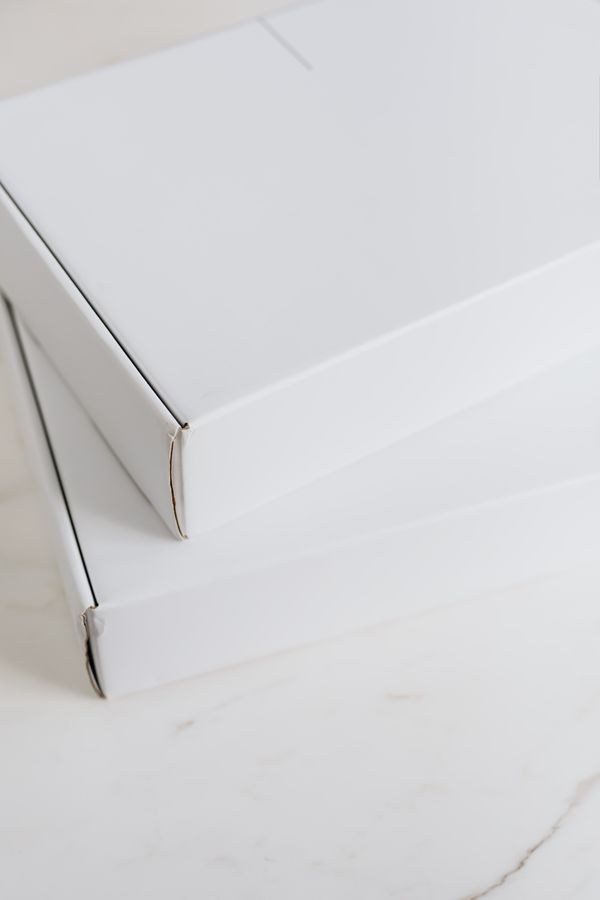
Rigid mailers are built from thick chipboard wrapped in printed paper. They do not bend or crush, which makes them the choice for luxury goods, documents, and high-value electronics. The unboxing experience feels premium.
Because the walls are thick, the internal space is noticeably smaller than the external size. Buyers should confirm internal dimensions when the product fit is tight.
| Box Size | Length | Width | Height |
|---|---|---|---|
| Small Rigid Mailer | 7 inches | 5 inches | 2 inches |
| Medium Rigid Mailer | 10 inches | 8 inches | 3 inches |
| Large Rigid Mailer | 14 inches | 11 inches | 4 inches |
4. Padded Mailer Dimensions
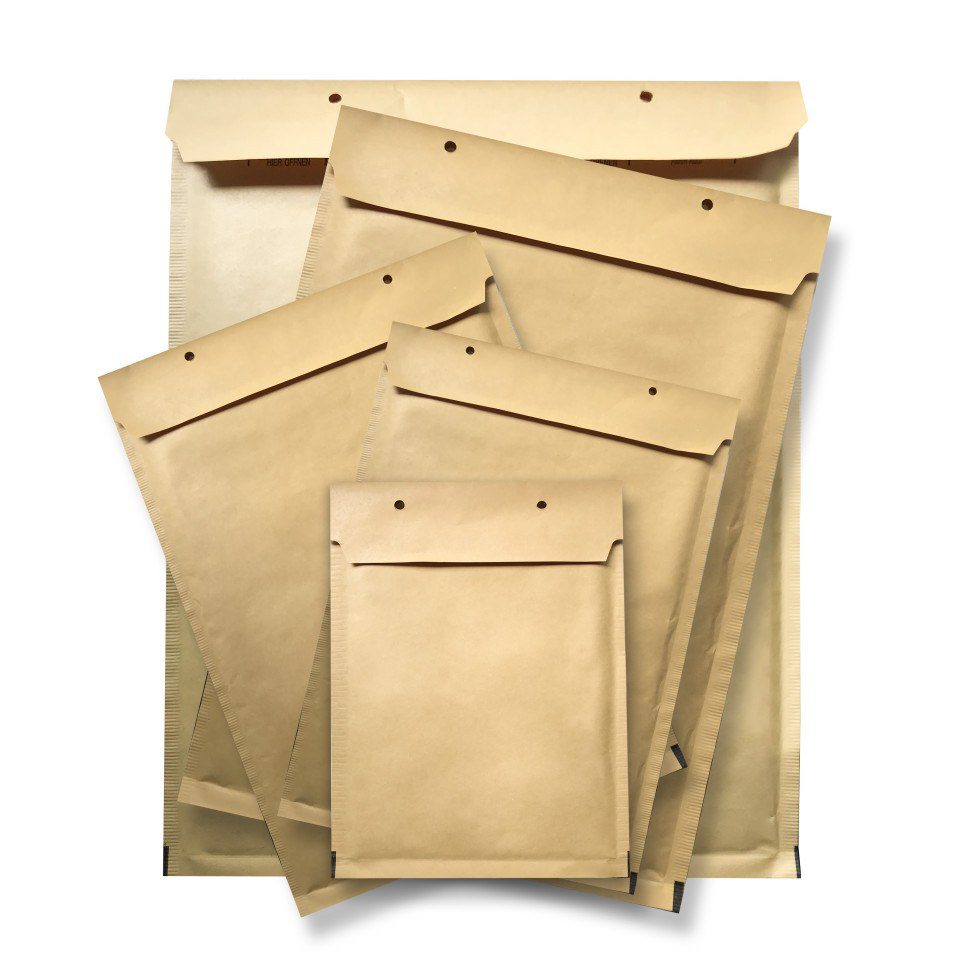
Padded mailers combine a flexible outer envelope with a bubble-lined interior. They protect small fragile items without the weight of a rigid box.
The bubble lining adds about half an inch of thickness inside. Choose a mailer slightly larger than the product so the padding has room to cushion on all sides.
| Size | Length x Width (inches) | Padding Type |
|---|---|---|
| Small Padded Mailer | 6 x 10 | Bubble lining |
| Medium Padded Mailer | 8.5 x 12 | Bubble lining |
| Large Padded Mailer | 10.5 x 16 | Bubble lining |
5. Tab-Lock Literature Mailer Dimensions
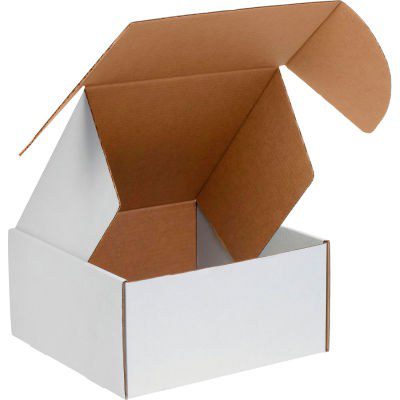
Tab-lock literature mailers are shallow, wide boxes designed for printed materials. Books, catalogs, brochures, and document sets ship flat and stay crisp inside. Marketing teams order them for direct-mail campaigns.
The shallow depth keeps contents from shifting during transit. A snug fit matters here because loose documents can corner-bend inside an oversized box.
| Box Size | Length | Width | Height |
|---|---|---|---|
| Small Literature Mailer | 9 inches | 6 inches | 2 inches |
| Medium Literature Mailer | 12 inches | 9 inches | 2 inches |
| Large Literature Mailer | 15 inches | 12 inches | 3 inches |
Small, Medium, and Large Mailer Box Sizes
Mailer box sizes fall into three general tiers. The product’s footprint and weight decide the tier, while the product’s fragility decides the material. The guidance below matches common products to tiers.
Small Mailer Boxes
Small mailers suit compact, lightweight products. Cosmetics, accessories, supplements, and single small electronics fit well. Smaller boxes also reduce dimensional shipping charges.
Best for items under 2 pounds
Common depth range: 2 to 4 inches
Padded or rigid styles protect fragile contents

Medium Mailer Boxes
Medium mailers are the workhorse size for e-commerce. Folded apparel, books, skincare kits, and subscription boxes fit comfortably. Most brands standardize on this tier.
Best for items between 2 and 8 pounds
Common depth range: 3 to 5 inches
Corrugated styles balance protection and cost
Large Mailer Boxes
Large mailers handle bulky or multi-item shipments. Shoes, bundled sets, and large subscription boxes need the extra footprint. Stronger board grades prevent crushing under stacking.
Best for loads over 8 pounds
Common depth range: 4 to 8 inches
Double-wall board helps with heavy contents

How to Measure Mailer Box Dimensions
Accurate measurement prevents a box that is too tight or wastefully large. Measure with a ruler or tape in inches, and always record length first, then width, then height. For shipping, measure the assembled box; for product fit, focus on interior space.
1. Length
The length is the longest dimension of the box base. Lay the box flat and measure the longest side from edge to edge. This is the first number in the L x W x H sequence.
2. Width
The width is the shorter dimension of the box base. Measure across the base perpendicular to the length. Together, length and width define the footprint the product must fit inside.
3. Height
The height, also called depth, is the vertical measurement from the base to the top when the box sits normally. Leave enough height for the product plus any padding or inserts above and below it.
Internal vs. External Mailer Box Dimensions
External dimensions describe the finished box. Internal dimensions describe the usable cavity, which shrinks with wall thickness, flute size, and any inserts. Corrugated boxes lose roughly 0.25 inch per wall; rigid boxes can lose more.
Product fit always depends on internal dimensions. Shipping cost and storage depend on external dimensions. Both matter, but for different decisions.
| Aspect | External Dimensions | Internal Dimensions |
|---|---|---|
| Measures | Finished box size | Usable cavity inside |
| Use | Shipping cost, warehouse storage | Product fit, insert design |
| Reduction | — | About 0.25 to 0.75 inch per side |
| When it matters | Every shipment | Tight or custom fits |
How to Choose the Right Mailer Box Dimensions
Measure the Product Accurately
Measure the product’s length, width, and height, including any retail packaging it ships in. Add at least 0.5 inch of clearance on each side for easy packing and unpacking.
Consider Protective Space
Fragile items need cushioning material around them. Bubble wrap, foam, or paper fill add volume, so size the box to hold the product plus its protective layer, not just the product alone.
Check the Product Quantity
Multi-item orders need combined space. Lay out every item as it will sit in the box and measure the full arrangement before choosing a size.
Select Suitable Box Thickness
Heavier products need stronger board. Single-wall corrugated suits most goods, while heavy or fragile items benefit from thicker board or rigid construction that resists crushing.
Frequently Asked Questions
What is the most common mailer box size?
A 9 x 6 x 4 inch box is one of the most commonly used sizes. It fits folded apparel, books, and many subscription products.
What is the difference between a mailer box and a shipping box?
Mailer boxes are self-locking, often printed, and designed for presentation as well as shipping. Standard shipping boxes are plain and tape-sealed.
How much clearance should I leave inside a mailer box?
Leave about 0.5 inch of space on each side of the product.
Are mailer boxes recyclable?
Most corrugated and paperboard mailer boxes are recyclable where paper recycling is accepted.
What does L x W x H mean on a box?
L stands for length (longest base side), W for width (shorter base side), and H for height or depth (vertical). Sizes are listed in that order in inches.
Can mailer boxes be printed inside and out?
Yes. Corrugated and rigid mailers can be printed on both the exterior and the interior for unboxing designs.
Conclusion
The right mailer box starts with accurate product measurements and honest clearance for padding. Match the box style to the product’s fragility, and check internal dimensions when the fit is close.
With standard sizes, clear measurement steps, and the selection tips above, choosing custom mailer boxes is a straightforward process. The result is packaging that protects in transit and presents well on arrival.