
Shipping boxes carry products safely from warehouse to doorstep. They take the bumps, stacks, and drops of freight handling so the product inside arrives intact. This complete guide covers shipping box dimensions, standard sizes, measuring steps, and how to choose the right size for parcels, mailers, and freight.
The wrong size costs money twice: oversized boxes waste filler and freight, while undersized boxes burst open. The sections below cover standard dimensions, sizes by box type, measuring methods, internal versus external sizes, and practical sizing tips.
What Are Standard Shipping Boxes Dimensions?
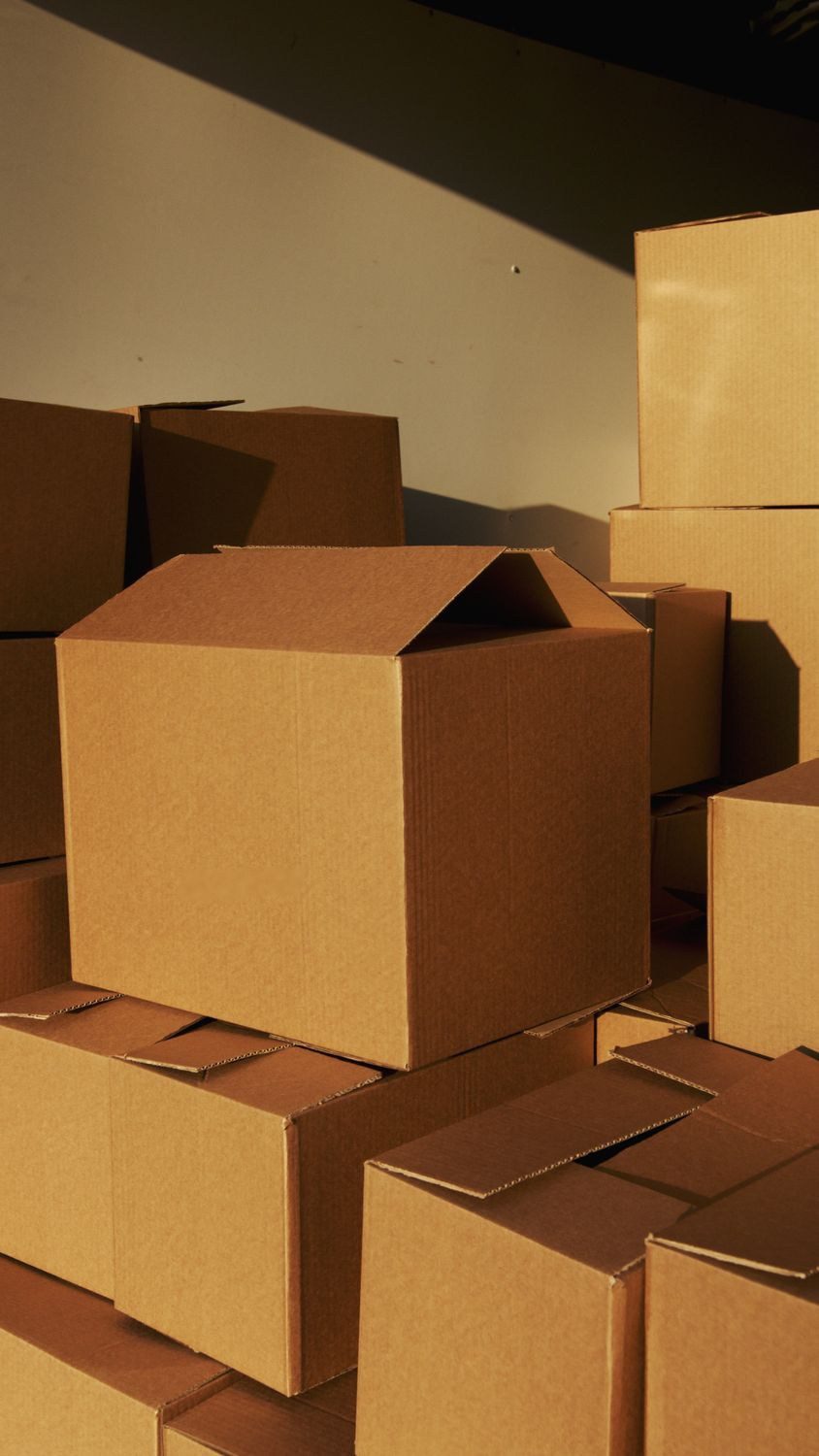
Shipping boxes are usually corrugated cardboard boxes sized for common parcel and freight needs. Small boxes suit single items and accessories. Medium boxes suit shoes, small appliances, and multi-item orders. Large boxes suit bulky goods and multi-pack shipments. Most use single-wall board for light parcels and double-wall for heavy ones.
The table below shows common examples of small, medium, and large shipping box sizes. These are typical examples used across the shipping and logistics industry.
| Box Size | Length | Width | Height |
|---|---|---|---|
| Small | 8 inches | 6 inches | 4 inches |
| Medium | 14 inches | 10 inches | 8 inches |
| Large | 24 inches | 18 inches | 12 inches |
The sizes below are illustrative standard examples, not fixed industry standards.
Shipping Boxes Dimensions by Product Type
1. Small Parcel Boxes Dimensions
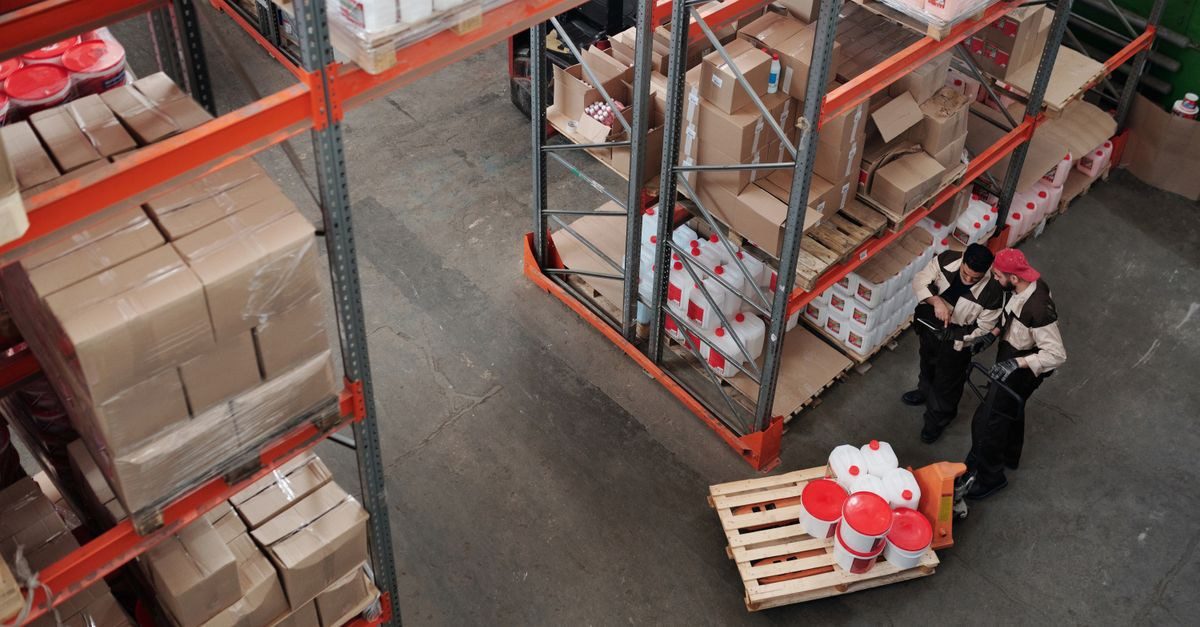
Small parcel boxes handle single items like books, phone cases, and small parts. They are light and easy to carry, which keeps postage low. A snug fit means less filler and less movement inside.
A common small parcel box measures about 8 inches long, 6 inches wide, and 4 inches deep. Tiny items may fit in 6 by 4 by 4 inches. Keep the box close to the product size to avoid paying for empty space.
| Box Size | Length | Width | Height |
|---|---|---|---|
| Tiny parcel | 6 inches | 4 inches | 4 inches |
| Standard small parcel | 8 inches | 6 inches | 4 inches |
| Book-size parcel | 10 inches | 7 inches | 3 inches |
2. Medium Shipping Boxes Dimensions
Medium shipping boxes are the most used size in e-commerce. They fit shoe boxes, small appliances, and typical multi-item orders. Single-wall board works for light loads, while double-wall suits heavier ones.
A standard medium box measures about 14 inches long, 10 inches wide, and 8 inches deep. Larger orders may need 16 by 12 by 10 inches. These sizes stack well on pallets and fit common courier limits.
| Box Size | Length | Width | Height |
|---|---|---|---|
| Shoe-size box | 14 inches | 10 inches | 6 inches |
| Standard medium | 14 inches | 10 inches | 8 inches |
| Large medium | 16 inches | 12 inches | 10 inches |
3. Large Double-Wall Boxes Dimensions
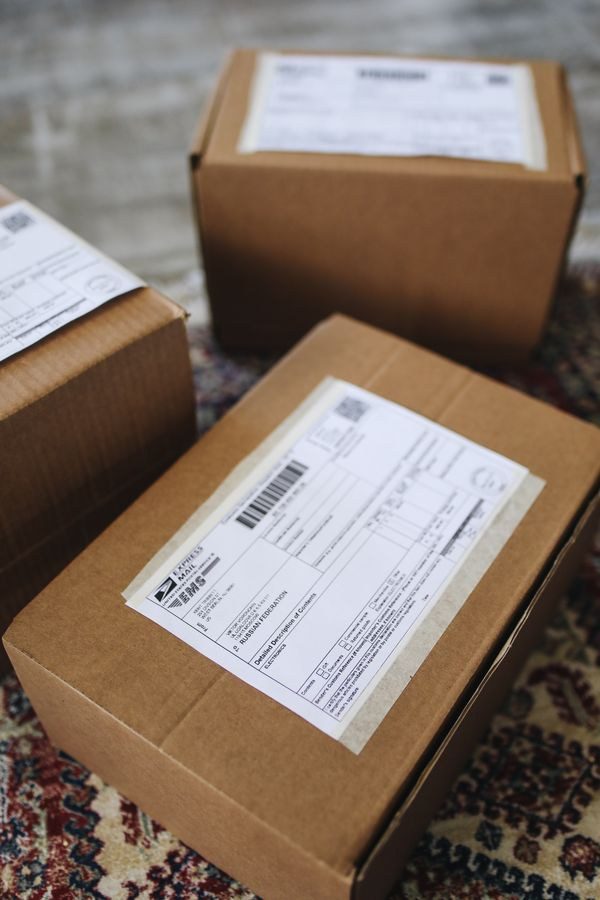
Large double-wall boxes carry heavy or fragile goods that need real strength. The double layer of fluting resists crushing when boxes stack high in trucks. They suit appliances, bulk orders, and fragile multi-item shipments.
A common large double-wall box measures about 20 inches long, 16 inches wide, and 12 inches deep. Extra-large versions reach 24 by 18 by 12 inches. Check the weight rating before loading heavy items.
| Box Size | Length | Width | Height |
|---|---|---|---|
| Standard large | 20 inches | 16 inches | 12 inches |
| Extra-large | 24 inches | 18 inches | 12 inches |
| Heavy-duty cube | 18 inches | 18 inches | 18 inches |
4. Mailer-Style Shippers Dimensions
Mailer-style shippers are self-locking boxes that need no tape. They open easily and look neat, which suits subscription orders and apparel. The compact design cuts down on filler and storage space.
A standard mailer shipper measures about 12 inches long, 9 inches wide, and 4 inches deep. Small mailers for single items run 8 by 6 by 3 inches. The depth must fit the thickest item plus any tissue.
| Box Size | Length | Width | Height |
|---|---|---|---|
| Small mailer shipper | 8 inches | 6 inches | 3 inches |
| Standard mailer shipper | 12 inches | 9 inches | 4 inches |
| Large mailer shipper | 15 inches | 12 inches | 5 inches |
5. Tube Shipping Boxes Dimensions
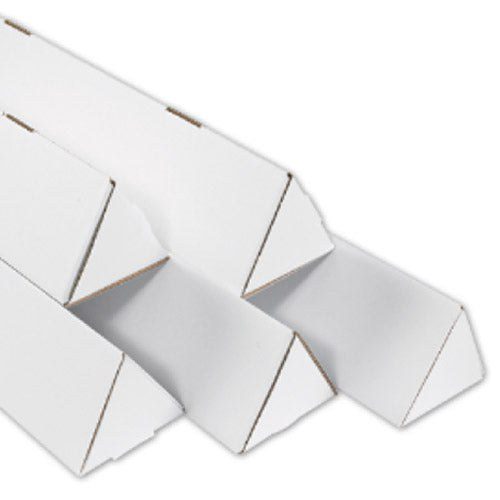
Tube boxes ship long, rolled items like posters, blueprints, and calendars. Their narrow shape protects rolled goods from bending and creasing. Triangular tubes stack better, while round tubes resist crushing.
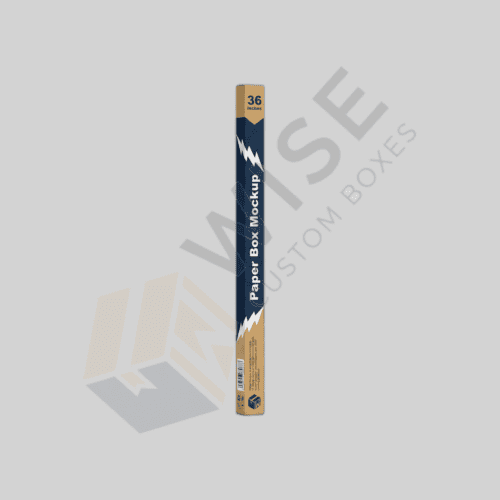
A standard poster tube measures about 24 inches long with a 3-inch diameter. Larger blueprint tubes may run 36 by 4 inches. The tube must be longer than the rolled item so the end caps close fully.
| Box Size | Length |
|---|---|
| Small poster tube | 18 inches |
| Standard poster tube | 24 inches |
| Blueprint tube | 36 inches |
Small, Medium, and Large Shipping Boxes Sizes
Shipping boxes group into small, medium, and large tiers based on parcel size and weight. Small boxes suit single light items. Medium boxes suit typical e-commerce orders. Large boxes suit bulky and heavy shipments. The right tier keeps freight costs low and packages safe.
Small Shipping Boxes
Small shipping boxes usually range from 6 to 10 inches in length and 3 to 5 inches in depth. They carry light, compact parcels.
Best for books, accessories, parts, and single items
Low postage cost due to small size and weight
Minimal filler needed with a snug fit
Easy to store flat in large quantities
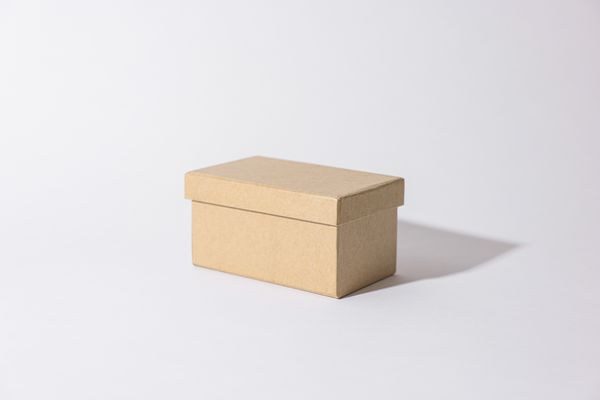
Medium Shipping Boxes
Medium boxes typically measure 12 to 16 inches long and 6 to 10 inches deep. They suit everyday online orders.
Best for shoes, small appliances, and multi-item orders
Stack well on pallets and in delivery vans
Single or double-wall board based on weight
Fit common courier size limits

Large Shipping Boxes
Large boxes often measure 18 to 24 inches long with 10 to 14 inches of depth. They handle the heaviest parcels.
Best for bulky goods, bulk orders, and freight
Double-wall board resists stacking pressure
Reinforced tape on all seams for heavy loads
Check carrier size and weight limits first

How to Measure Shipping Boxes Dimensions
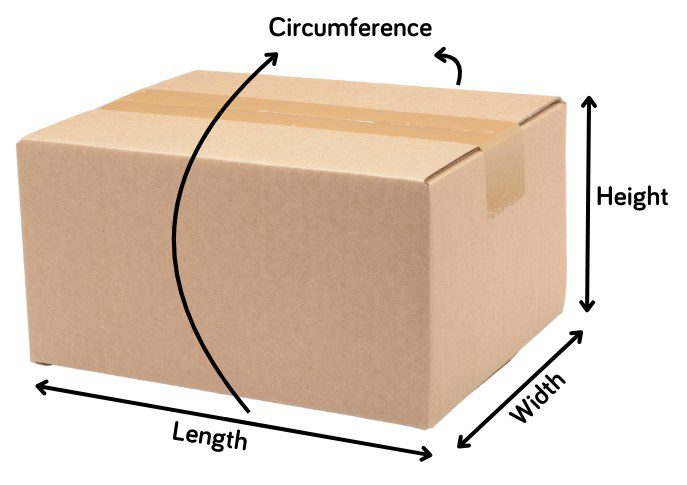
Use a tape measure on the assembled box. Measure with the flaps closed and taped as they will ship. Record each number before choosing filler and postage.
1. Length
Measure the longest side of the closed box from edge to edge. This is the first number in the standard size format. Couriers use it to check size limits.
2. Width
Measure the shorter horizontal side. Width plus height affects the girth calculation many carriers use. Keep the tape straight across the box.
3. Height
Measure from the base to the top with flaps closed. Height decides how much filler fits above the product. Do not overfill, or the box will bulge and cost more.
Internal vs. External Shipping Boxes Dimensions
Internal dimensions are the usable space inside the box. External dimensions are the full box from the outside. Flutes, filler, and the product itself all live in the internal space, while carriers charge based on external size.
Size the product and filler against internal dimensions. Then check the external size against carrier limits and postage brackets. A box that is perfect inside but oversized outside wastes money on every shipment.
| Feature | Internal Dimensions | External Dimensions |
|---|---|---|
| Measures | Usable space inside | Full box from the outside |
| Use | Fitting product and filler | Carrier limits and postage |
| Effect of board | Flutes shrink space slightly | Adds to billable size |
| Best for shipping | Yes — fit comes first | Yes — cost comes from here |
How to Choose the Right Shipping Boxes Dimensions
Measure the Product Accurately
Measure the product at its longest, widest, and tallest points. Include any retail packaging it ships in. Add filler thickness to the plan before choosing a box.
Consider Protective Space
Leave room for bubble wrap, paper, or foam around the product. Fragile items need at least two inches of cushioning on each side. The product should not touch the box walls.
Check the Product Quantity
Multi-item orders need space for every item plus dividers or filler between them. Count all items before sizing. Items packed too tightly crush each other.
Select Suitable Box Thickness
Light parcels can use single-wall board. Heavy or fragile items need double-wall. Long shipping distances and rough handling call for stronger board.
Consider Printing and Labeling Space
Shipping labels, fragile stickers, and handling marks need flat space on the box. Leave the largest panel clear for the label. Small boxes need careful label placement.
Frequently Asked Questions
What is the best box size for shipping shoes?
A box around 14 x 10 x 6 inches fits most shoe boxes. Measure the shoe box first and add filler room. Double-wall board helps for heavier boots.
How much filler space should a shipping box have?
Leave about two inches of space around fragile items for cushioning. Sturdy items need less. The box should feel full but not bulging when taped shut.
What is the difference between single-wall and double-wall boxes?
Single-wall boxes have one layer of fluting and suit light parcels. Double-wall boxes have two layers and handle heavy or fragile goods. Choose based on product weight and trip length.
Can I ship in a box that is slightly too big?
Yes, but fill the empty space completely so the product cannot move. Oversized boxes cost more in postage. Right-sizing saves money on every shipment.
What are dimensional weight charges?
Carriers charge by size or weight, whichever costs more. A large, light box may bill at its size rather than its weight. Keep boxes compact to avoid dimensional weight fees.
How do I measure a box for postage?
Measure the external length, width, and height with flaps closed. Add the weight on a scale. Enter all four numbers into the carrier’s postage calculator.
Conclusion
The right shipping box starts with the product’s size and weight. Standard sizes give a reliable starting point, while box-type tables show what fits parcels, mailers, and tubes. Internal dimensions decide whether the product and filler fit, and external dimensions decide the postage cost.
Measure the packed product, choose the right board strength, and keep the box as compact as safety allows. Well-sized shipping boxes protect goods, cut freight costs, and arrive looking professional. Use this guide whenever sizing a new shipment.